- 24/7 Emergency Support
- +675 7099 1090
- Service response under 30 minutes in Port Moresby.

Celebrating 10 Years
Reliable & Fast Service
If you have searched for elevator installation prices in Papua New Guinea and come back empty-handed, you are not alone. Unlike car prices or construction materials, lift pricing is almost never published online, and with good reason.
The cost of installing an elevator in a PNG building depends on a combination of factors that are unique to your project, your site, and the realities of operating in this country.
This guide explains what drives elevator installation cost in Papua New Guinea, what is typically included in a professional quote, and what additional costs to plan for. If you are a developer, architect, building owner, or procurement officer working on a PNG project, this article will help you go into the process informed and ask the right questions.
No two elevator projects are priced the same. Understanding the key variables that drive cost is the first step toward getting a quote that actually reflects your building.
The type of vertical transportation system you require is the single biggest driver of cost. Passenger elevators for commercial buildings, freight elevators for warehouses or industrial facilities, escalators for shopping centres or transit hubs, and travelators for flat-surface people movement all come with very different supply costs, installation complexity, and commissioning requirements.
Passenger lifts are the most commonly installed type in PNG, but the specification range within that category alone is broad.
The higher the building and the longer the travel distance, the more complex the installation. More floors mean more shaft work, longer hoist ropes or hydraulic infrastructure, additional landing doors, and more electrical integration points.
A four-stop lift in a commercial office building is a fundamentally different engineering project to a two-stop lift in a small mixed-use development.
Elevator installation requires a purpose-built shaft. If the shaft already exists and is correctly dimensioned, this cost is absorbed by the building construction budget.
If it does not exist, or if it needs to be modified to suit the lift specification, shaft construction can become a significant line item. Structural reinforcement, headroom clearance, pit depth, and machine room configuration all affect the total scope.
Elevator equipment is manufactured at a wide range of quality and price tiers. Entry-level systems from Asian manufacturers, mid-range systems from established regional suppliers, and premium European or Japanese brands each carry different price points, warranty terms, parts availability, and expected service lifespans.
The right choice depends on your building type, usage intensity, and long-term maintenance budget. JD Elevators PNG can advise on the appropriate specification tier for your project.
This factor is often underestimated, particularly by developers working in PNG for the first time. Papua New Guinea’s infrastructure environment adds real cost to any logistics chain.
Equipment must be imported, often via Port Moresby’s port facilities, and then transported to site. For projects outside Port Moresby, such as Lae, Mount Hagen, and provincial sites, freight routing, customs clearance times, and road access all affect delivery timelines and cost.
Sites with restricted crane access, high-rise structural complexity, or remote locations require additional planning and may incur additional charges.
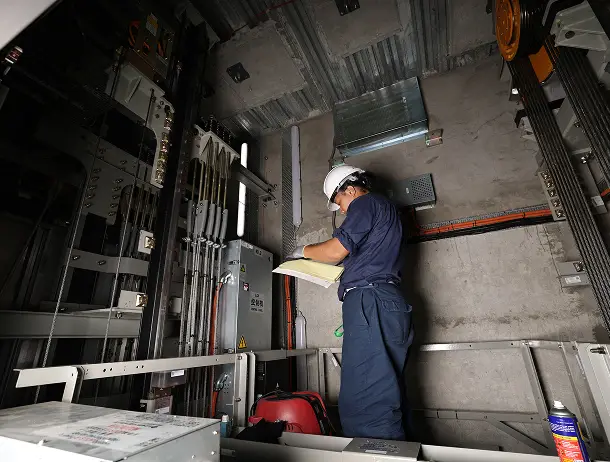
Every lift installation project is unique. The final cost depends on a range of factors, including the lift type, building design, travel height, load capacity, site conditions, freight logistics, electrical infrastructure, compliance requirements, and project complexity.
Because no two projects are the same, lift installation costs cannot be accurately represented through standard pricing tables or published rates. A professional assessment is required to determine the specific requirements of each project.
JD Elevators PNG does not publish standard installation pricing, as every project is assessed individually to ensure the proposed solution is suitable for the building, operational requirements, and long-term performance objectives.
The most reliable way to understand the cost of a lift installation is through a project-specific assessment. JD Elevators PNG can review your plans, inspect the site where required, and provide a bespoke solution based on your project’s unique requirements.
For a professional assessment and quotation, contact JD Elevators PNG to discuss your project.
A lift out of service is rarely just an inconvenience. For building owners and facility managers in Papua New Guinea, elevator downtime carries real financial and reputational consequences that compound the longer the fault goes unresolved.
In any multi-storey commercial or residential building, tenants expect vertical access as a basic condition of occupancy. When a lift fails, the immediate impact is frustration. When it fails repeatedly, or stays out of service for days, tenants begin to question whether the building is being properly managed. In a competitive Port Moresby commercial property market, that doubt translates directly into lease non-renewals, early exits, and difficulty attracting new tenants at market rates.
Buildings that house elderly residents, clients with mobility limitations, or staff who cannot use stairs have a duty of care obligation that a working lift is part of fulfilling. An out-of-service lift in these environments is not just an operational inconvenience. It is a potential compliance and liability issue. If an incident occurs and it can be demonstrated that the lift was not being properly maintained, building owners face significant exposure.
In hotels, hospitals, government buildings, and high-rise offices, a grounded lift does not pause the building’s operations. It disrupts them. Goods cannot move between floors. Staff access to upper levels is restricted. Guest experience deteriorates. In facilities where vertical movement is tied directly to revenue, such as hotel check-ins, hospital patient transfers, and retail foot traffic, every hour of downtime has a measurable cost.
Emergency callouts cost more than scheduled maintenance visits. Parts that fail without warning cost more to source urgently than components replaced on a planned cycle. Buildings that defer maintenance to save money in the short term consistently spend more over a 12-month period than those on structured preventive maintenance programmes. In Papua New Guinea, where freight lead times for parts add days or weeks to any repair requiring imported components, the cost of unplanned downtime is even higher than in markets with local supply chains.
A professional elevator installation quote from JD Elevators PNG covers the full scope of works from equipment supply to handover. Here is what to expect in a complete installation proposal.
The elevator system itself, including cabin, doors, drive system, controller, and all mechanical components, specified to the agreed tier and configuration.
PNG does not manufacture elevator equipment locally. All systems are imported, and freight and customs costs are project-specific based on the country of origin and point of delivery.
The physical installation of the equipment within the prepared shaft, including mechanical assembly, electrical connection, and integration with the building’s power supply and fire alarm systems where required.
Once installed, the system undergoes a full commissioning process including load testing, safety system verification, and operational testing across all floors.
Completion documentation including test certificates, maintenance manuals, and compliance records are provided at project handover.
JD Elevators PNG offers ongoing maintenance support from the same locally based team that installed the system. You are not handed to a different contractor after commissioning.
These items are not always included in a lift supplier’s quote but can add material cost to a project if not planned for early.
The most reliable way to obtain a project-specific installation cost is to provide JD Elevators PNG with your needs and we will respond immediately and set a plan to fulfil your requirements.
With the minimum amount of input, JD Elevators PNG can conduct a site assessment and provide a detailed, project-specific quote. Attempting to price a lift installation without a site assessment is not best practice and often leads to costly surprises during construction.
Every lift installation project is different. Factors such as lift type, building design, site conditions, freight logistics, and compliance requirements all play a role in the planning and installation process. Engaging with your lift contractor early helps ensure the best outcome for your project.
Statutory requirements in Papua New Guinea include inspections and compliance certifications for new elevator installations. JD Elevators PNG will advise on the relevant requirements for your project as part of the quoting process.
Yes. JD Elevators PNG’s locally based team provides ongoing preventive maintenance, fault response, and repair services across Port Moresby, Lae, Mount Hagen, and Goroka. Post-installation maintenance is offered through structured service agreements.
In Port Moresby, JD Elevators PNG can respond to emergency lift callouts in under 20 minutes, helping minimise downtime and keep critical building operations running safely and efficiently.
Power instability is one of the most common challenges for elevator systems across PNG. JD Elevators PNG’s VR/UPS technology is specifically designed for this environment and helps protect elevator systems from voltage fluctuations and power interruptions.
If power reliability is a concern for your building, discuss VR/UPS solutions with JD Elevators PNG during the planning stage so they can be incorporated into your installation and ongoing maintenance package.
Yes. JD Elevators PNG has operational capability and regional staff across Port Moresby, Lae, Mount Hagen, and Goroka. In addition to serving clients throughout Papua New Guinea, JD Elevators PNG also supports projects and maintenance requirements across selected Pacific Island markets, including Fiji, Cook Islands, Samoa, the Solomon Islands, and Bougainville, subject to project scope and site requirements.
Yes. Early engagement helps ensure the lift system is correctly specified for the building’s intended use, passenger traffic requirements, and future growth. JD Elevators PNG can provide guidance on shaft dimensions, pit requirements, machine room considerations, traffic analysis, and equipment selection during the design stage.
JD Elevators PNG installs a range of vertical transportation solutions, including passenger elevators, freight elevators, service lifts, panoramic lifts, hospital lifts, escalators, and travelators. Equipment selection is based on the building’s operational requirements, traffic demands, and budget.
Service frequency depends on the type of elevator, usage levels, and manufacturer recommendations. Most commercial elevators require regular preventive maintenance visits throughout the year to ensure safe operation, minimise breakdowns, lubrication, and maintain safety compliance.
In many cases, yes. Modernisation can extend the life of an existing elevator while improving reliability, safety, performance, and energy efficiency. JD Elevators PNG can assess existing equipment and recommend whether modernisation or full replacement provides the best long-term value.
A typical quotation may include equipment supply, freight, installation, commissioning, testing, certification, and project management. The exact scope will vary depending on the project requirements and any additional building works required.
Yes. JD Elevators PNG provides emergency repair and breakdown support for maintained equipment. Depending on your maintenance package, the company can respond to emergency lift callouts in under 20 minutes within Port Moresby, helping to minimise downtime and restore service as quickly as possible.
The lifespan of a lift varies depending on its operating environment, usage levels, and maintenance programme. Regular servicing and planned upgrades can help maximise the operational life of the equipment, as does the protection provided by the installation of a VR/UPS.
Every building is different. Factors such as travel height, lift capacity, finishes, shaft dimensions, freight requirements, power conditions, and site access all affect the final project cost. For this reason, elevator installations are typically quoted on a project-by-project basis following a site assessment.
Yes. JD Elevators PNG services and repairs a wide range of elevator brands and systems, including equipment originally installed by other providers, subject to a technical assessment.
Simply contact JD Elevators PNG with your project requirements or building plans, or concept drawings. The team will review the requirements, conduct a site assessment if required, and provide a tailored proposal based on your project’s specific needs.
If you are planning a building project that requires a new elevator installation, the best next step is a conversation with JD Elevators PNG’s technical team.
We will assess your project requirements, provide straightforward advice on specification and cost, and give you a detailed, project-specific quote based on a proper site assessment.
Phone: +675 7099 1090 | Email: info@jdelevatorspng.com | Website: www.jdelevatorspng.com
Get Free Quote