
In Papua New Guinea, a lift can be in good mechanical condition and still fail without warning. Very often the cause is not wear and tear, but the power supply feeding it.
Voltage fluctuations, outages and surges when power returns all put stress on the sensitive electronics inside a modern lift. Understanding how PNG’s power conditions affect your elevator is the first step towards elevator power protection that keeps your building running safely.
What Makes PNG’s Power Supply Different
PNG’s electricity network faces well-known challenges, including ageing infrastructure, limited generation capacity and terrain that makes distribution difficult. For building owners, that can mean:
- Voltage fluctuations, both surges and sags
- Complete outages, sometimes more than once in a day in affected areas
- Phase imbalances in three-phase supply
- Unstable frequency
- Surges when power is restored after an outage
Most office equipment copes with basic surge protection. Elevator systems are a different matter.
How Power Instability Damages Elevators
Motors, control boards, variable frequency drives (VFDs), door operators and safety circuits all depend on a clean, consistent electrical supply. When the supply moves outside its normal range, several problems can follow:
- Control board failuresThe circuit boards inside lift control panels are sensitive to overvoltage. A single significant surge can destroy a board outright, and parts for proprietary systems often have to be sourced from overseas.
- Drive damageVFDs regulate motor speed and are among the most voltage-sensitive parts of the system. Repeated exposure to unstable supply wears them down, often with no obvious warning before they fail.
- Motor winding stressPhase imbalances spread load unevenly across motor windings. Over time, the extra heat breaks down insulation and shortens motor life.
- Nuisance safety tripsMany lift safety systems stop the car when they detect abnormal electrical conditions. In a building with frequent power problems, that means repeated stoppages, frustrated tenants and extra strain on brakes.
- Damage when power returnsThe surge that follows an outage can do more harm than the outage itself if the system is not protected.
The Hidden Problem: Silent Degradation
A building in Port Moresby may experience several voltage events in a single day. Each one may be too small to cause an immediate fault, but the damage adds up.
Technicians call this silent degradation. The lift seems to be working and faults are rare. Then a major component fails without obvious warning, and the underlying cause has often been building for months.
Repeat callouts with no clear mechanical cause? Power quality may be the reason. It is worth checking at your next maintenance visit.
What VR/UPS Does
JD Elevators PNG built the VR/UPS (Voltage Regulator and Uninterruptible Power Supply) specifically for PNG’s electrical conditions. It was developed from our own site experience in Papua New Guinea, and in PNG it is available only through JD Elevators PNG.
The VR/UPS sits between the mains supply and the lift’s electrical systems, and does three jobs:
| Function | What it does |
|---|---|
| Voltage regulation | Manages surges and low-voltage events before power reaches critical lift components, delivering a stable supply to the lift. |
| Blackout protection | During a total blackout, switches automatically to UPS power so the lift can keep operating for up to 20 minutes, depending on load. This gives the car time to reach a landing and shut down in a controlled way, rather than stopping between floors. |
| Phase monitoring | Monitors the incoming supply and protects the motor from the phase imbalance that causes heat stress and early wear. |
Proven in the Field
The VR/UPS was first deployed at Deloitte House in Port Moresby, one of our past projects. The outcome was zero part replacements due to power-related failures, and zero lift downtime due to power outages.
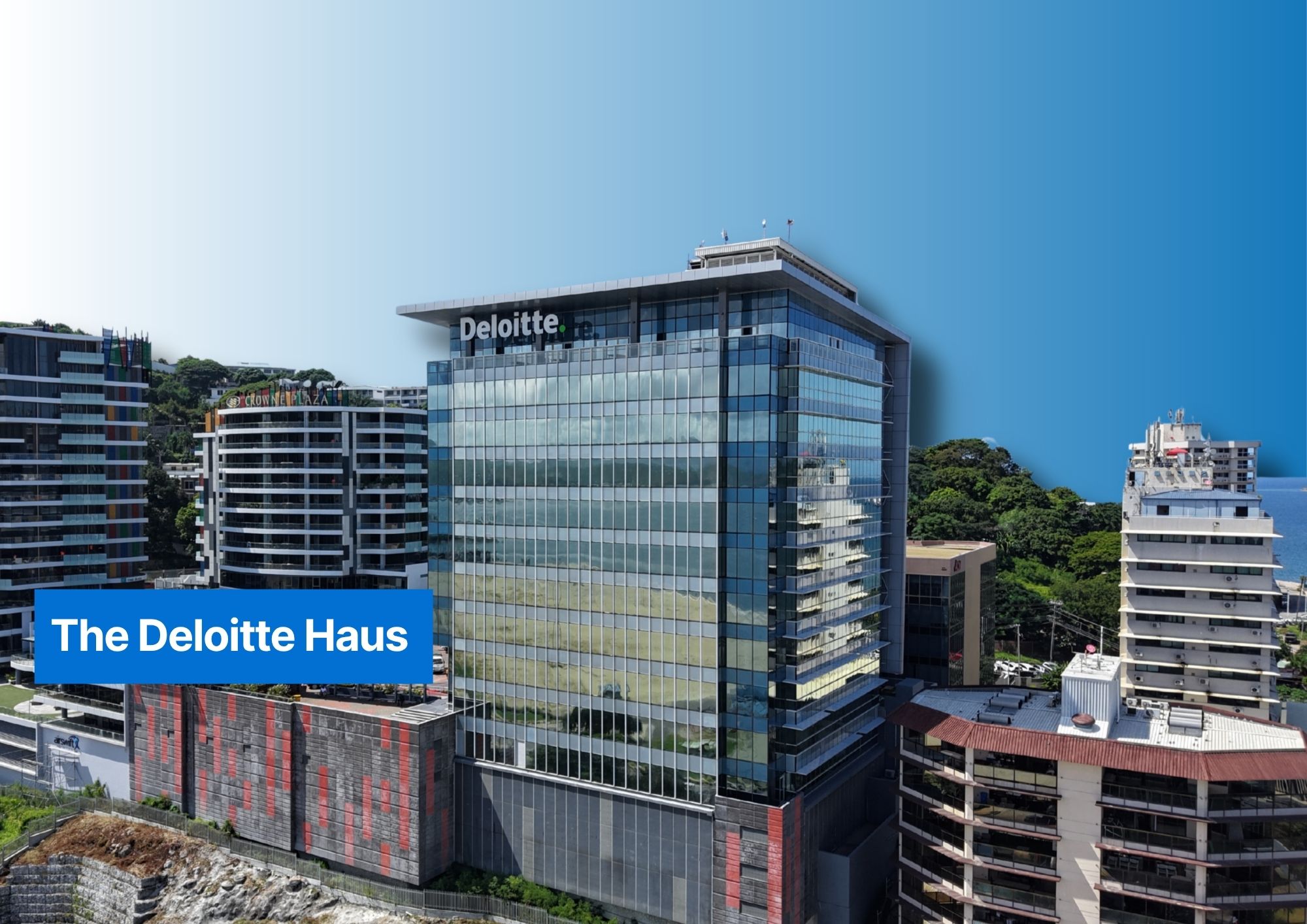
From one building to a wider rollout: the Deloitte House result is now the model for rolling out VR/UPS across PNG and the wider Pacific.
How It Changes Your Maintenance
VR/UPS does not replace regular preventive maintenance. It changes what that maintenance looks like.
Without power protection, a large share of maintenance time can go on reactive repairs caused by electrical damage. With components protected from voltage events, maintenance can focus on planned servicing, and costs become easier to plan for. For facility managers working to a budget, that matters.
Which Buildings Should Consider VR/UPS
Any building running lifts in PNG can benefit. The strongest cases are:
- Areas with known power problems. If your building has regular outages or flickering lights, your lift is exposed to the same conditions.
- Older lift systems. Ageing controls are more vulnerable to electrical events, and parts can be harder to source.
- High-traffic buildings. Hotels, hospitals, commercial towers, government buildings and apartments, where downtime has an immediate impact.
- Buildings with unexplained faults. Frequent fault codes or callouts without a clear mechanical cause point to power quality.
Questions to Ask About Your Lift
- How often does our building lose power or see voltage drops?Your building manager or electrician may already have a record.
- Have we had repeat faults with no clear cause?Check your maintenance history for recurring control board, drive or door issues.
- What happens to our lift during a blackout?Find out whether passengers could be left between floors.
- Is a power quality check part of our maintenance?If not, ask for one at your next scheduled visit.
Read more about backup power for lifts in PNG, or see how we handle elevator repairs.
Protect Your Lift From PNG Power Problems
Our technicians are based in Port Moresby and have worked in PNG’s operating conditions since 2016. Contact us to arrange a power quality assessment or discuss VR/UPS for your building.
Get a Free Quote